

With various smart home gadgets to make our lives easier, it’s an opportunity to make your home life easier with different tools and items for a more efficient lifestyle. Whether that’s improving security, lighting control or even heating adjustments, there’s an array of things to choose from. In this guide, we’ll explain why smart home technology is worth the investment and what options are available.
Table of contents
- What is smart home technology?
- Why smart home technology matters
- Types of smart technology in the home
- What is the best smart home technology?
What is smart home technology?
Smart home technology means devices that enable you to control your home remotely or automatically. Some remote control examples include:
- a phone
- tablet
- application
They can also be used to set automated processes in some cases.
How does smart home technology work?
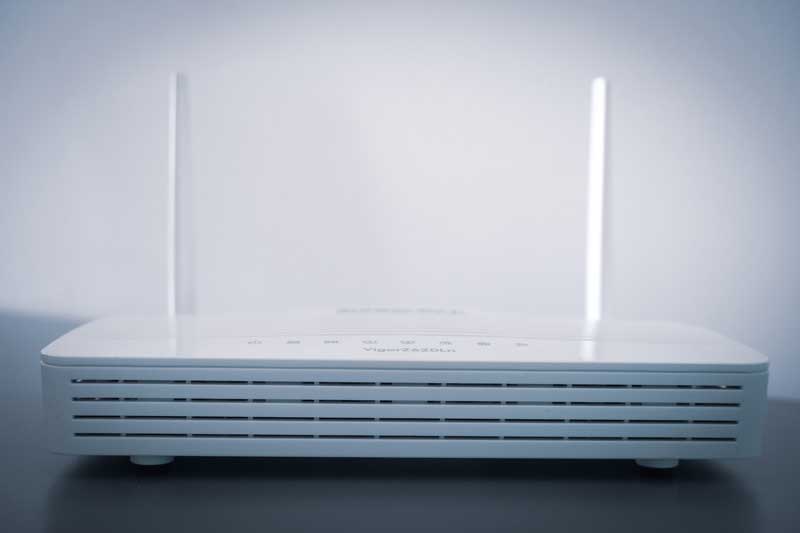
Smart home technology works through a connected system – specifically, all devices involved in the smart home control must be connected to the router.
A connection can be via one of two ways – directly through an Ethernet cable or wirelessly.
Here’s a breakdown of some of the jargon you might come across when installing your smart devices:
| Jargon | Description |
| Wi-Fi (wi-fi or wireless) | A way to connect devices to the internet or help them work together without wires. |
| Bluetooth | A short-range connection that provides a way for data to be transferred between devices without wires. |
| Remote control | The ability to control a device from a distance through radio or infrared signals transmitted from the device. |
| Radio signals | A wireless connection that uses electromagnetic waves within the radio-frequency range for broadcasting, two-way communications, etc. |
| Infrared signals | A one-way type of wireless communication from devices and a top choice for remote control systems to enable smartphone or tablet control. |
| Router | A device that connects computer networks and sends information between those networks. |
| ‘Wake words’ (also known as ‘awake words’ or ‘trigger words’) | These are words or phrases used to ‘wake up’ the device through voice activation and give a command (e.g. ‘Alexa’, ‘Ok Google’ etc). |
Example of a router
Why smart home technology matters
There are many reasons to bring smart technology into the home. With all smart devices connected to one system, this helps ease smaller daily stresses. Here are five ways smart home technology can help.
Simple control via the touch of a button or voice
Instead of having to move from your current space and make the journey to the main control point, you can use your tablet or phone to change the status of a system from your location on the property.
All smart home technology in one system
With many different brands working together, connecting some of your products to one smart home technology system is optional. This saves you from having to scroll or search through many applications and instead find what you want to control in one sitting.
A safer and more secure property
We’re not just referring to cameras and audio on your doorbells to see outside. Safety also includes monitoring inside the home. This means having access to ensure you’re aware of any issues in parts of the house, home or away. This could be anything from smoke or fire to intruders or monitoring your children or pets for reassurance.
Energy-efficient technologies
We all like to save money, and smart home technology is a great way to do so. Additionally, you can make your home more energy-efficient thanks to the ability to schedule smart technology like:
- heating
- cooling
- lights
This way can set exactly when you want your connected home appliances to work without worrying about wasting energy.
Home or away, you have control
Whether at work, on holiday or having a day out, you have control over your smart appliances. Options like scheduling when lights should turn off/on, checking whether the heating is adequate for your needs or even looking through cameras throughout the home are all at your fingertips as long as your device is connected to the internet.
Types of smart technology in the home
Smart home technologies aren’t limited, especially with the advancements nowadays. Lighting and thermostat control are two of the most common. However, other types of smart home technology are available:
- Smart doorbells
- Smart security cameras
- Smart smoke and carbon monoxide detectors
- Smart home rain sensors
This scratches the surface of what is available for your home. Below is a brief overview of smart elements that can make your home more efficient and even help you save money in the process.
Smart thermostats
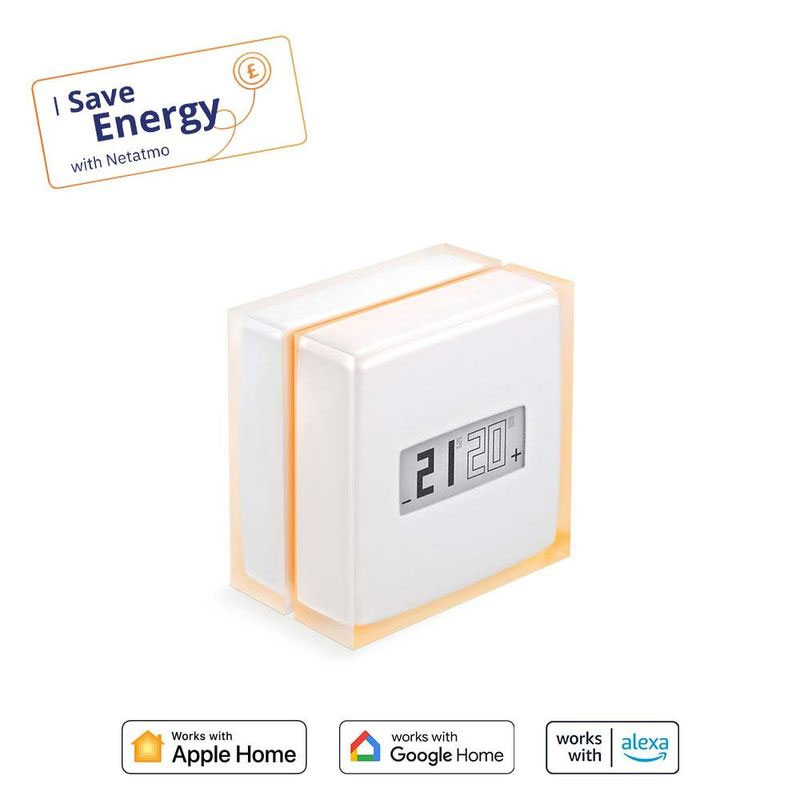
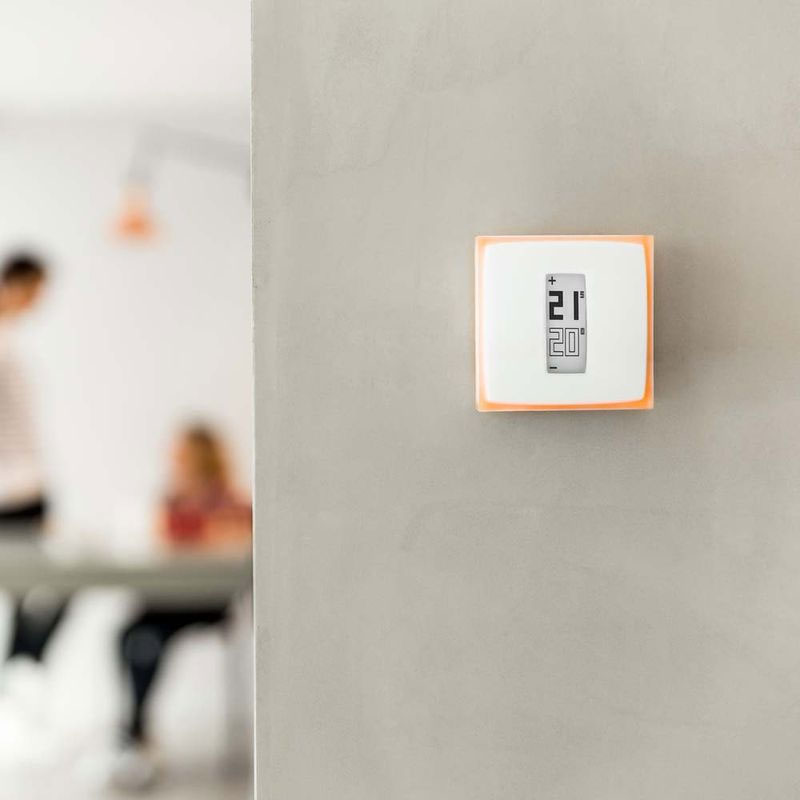
A smart thermostat allows remote monitoring and control of your temperature and central heating using a smartphone or tablet.
Easy to use, they typically have a user-friendly interface and are not identical to smart meters. Their structure is of three parts:
- Part one: The plug – Plugged directly into your boiler.
- Part two: The thermostat and main control – This replaces the existing thermostat and connects to the first part via Wi-Fi.
- Part three: Personal smart device and app – You’ll likely receive a specific application to download. This is how you’ll control the thermostat remotely.
What’s the difference between a smart meter and a smart thermostat? Smart meters digitally send meter readings directly to your energy supplier. This ensures bills are more accurate. A smart meter cannot control the central heating.
There are also some smart thermostats that not only can be assigned schedules for low and high heating but also learn your routines and preferred temperatures. Further customising your thermostat options when the heating and hot water are in use.
Smart lighting
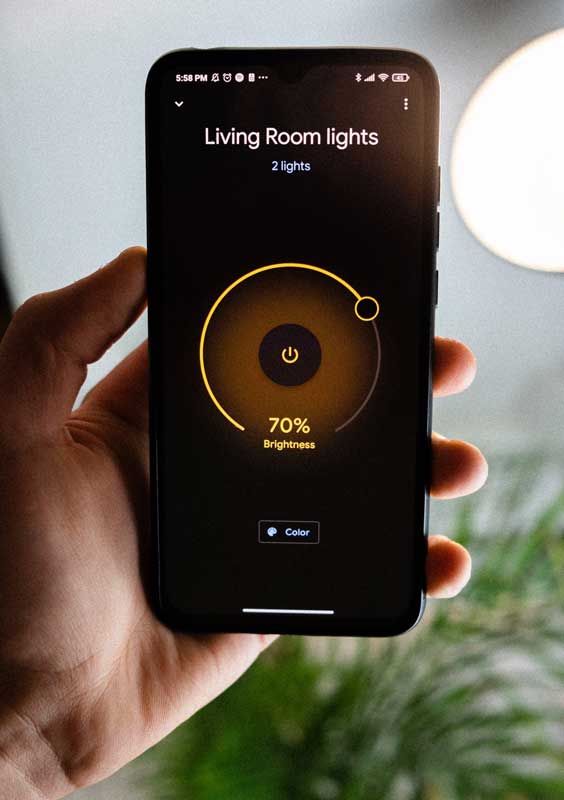
Smart lighting is great if you want easy-to-control lights from anywhere in the home. In fact, because you control it remotely, you can ensure any lights left on turn off with just the touch of a button on your smartphone or tablet device. This helps make the lighting more energy-efficient, helping you save on your energy bills.
Alongside energy saving, you can also adjust the lights to suit specific needs. Say, if you’re watching a movie or want to create the right atmosphere. Automation is also optional, allowing you to set the lights to turn on and off at specified times or adjust brightness during set periods.
As a bonus, the remote-control lights allow you to control the lights to come on when out of the house (i.e. for holidays). Some smart lights can even use your phone’s location to identify this. As such, you can set the lights so certain ones turn on when you return home.
Smart home safety and security
The big two may be lighting and heating, but other means of smart home technology exist. Below is a brief overview of smart home devices that can enable more control over your technologies.
Before making a purchase, ensure your chosen product has the features mentioned below. Not all products support these features. A thorough inspection of the product description will be required to ensure you get exactly what you want from your smart home devices.
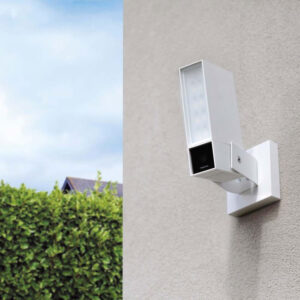
Smart security cameras
A smart security camera is designed to monitor a home. It could be to keep an eye on your child or pet in another room to check they’re okay, or even oversee the family or home when you’re away from the property.
With various advancements in these types of cameras, many models now have features to improve safety. This includes being able to record and store footage (either via a memory card to download to a PC or saved via cloud storage). Some smart cameras also have alarms to alert when loud noises or excessive movement occur.
Better yet, some models can work with other smart home technologies. For example, the alarm can trigger if a motion sensor is tripped, a window or door opens, if your child is crying, and more.
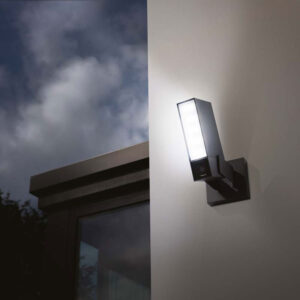
Some cameras also come with or without a light. So, if you’re walking up to the house at night, a light source automatically turns on to help you see. Alternatively, this can alert you if someone is walking outside the house because of the sensor.
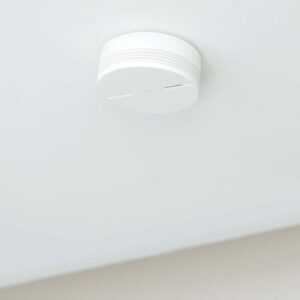
Smart smoke and carbon monoxide detectors
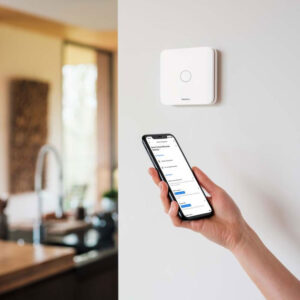
These alarms are considered essential for all homes and commercial buildings. Thanks to remote access, you’re aware if your alarm is triggered regardless of whether you’re away from the property. The remote control also allows you to silence the alarm if you’ve accidentally set it off (e.g. burnt cooking such as toast).
Some smoke and carbon monoxide detectors also have speaking options. Meaning you can set a voice to tell you what the problem is. Coupled with the ability to connect with other smart home systems, you can have a comprehensive system that ensures your home is safer. For example, if the camera detects the alarm, the device can begin recording when the alarm sounds. Another connection could be to the lights so that an exit can light up during an emergency or to warn even further.
Smart doorbells
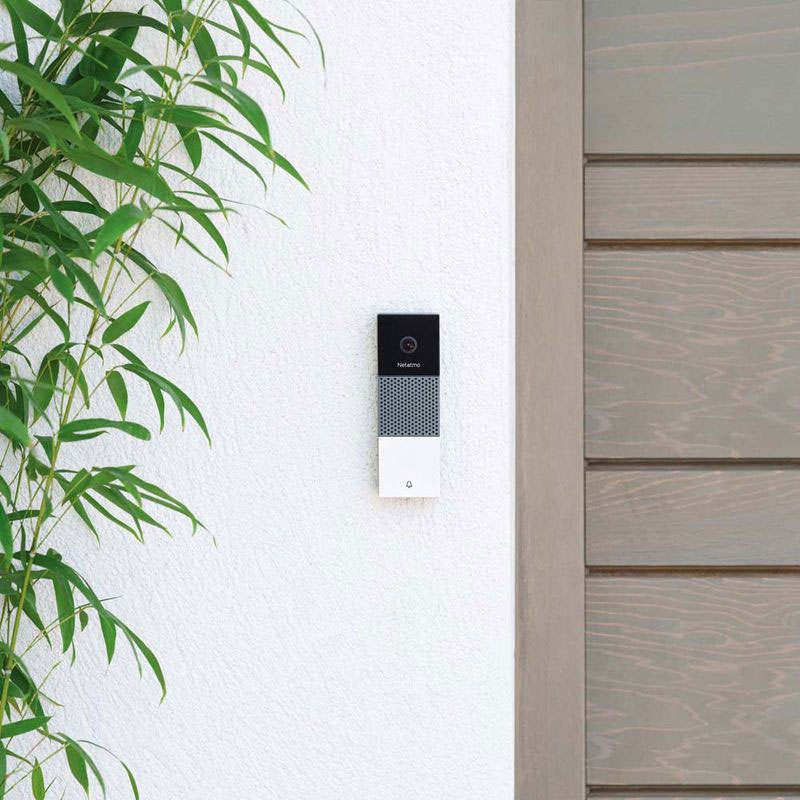
Smart doorbells are all the rage for home safety these days. Many models have at least one feature that enables you to see, hear, or even speak to people at the door. Many have the potential to save recordings from the door for security purposes.
Some smart doorbells can be hardwired to your existing doorbell connections or have battery power for homes with or without an existing doorbell. This will then connect to the WIFI to allow you to confirm who is at the door through a speaker and/or camera.
Smart rain sensors
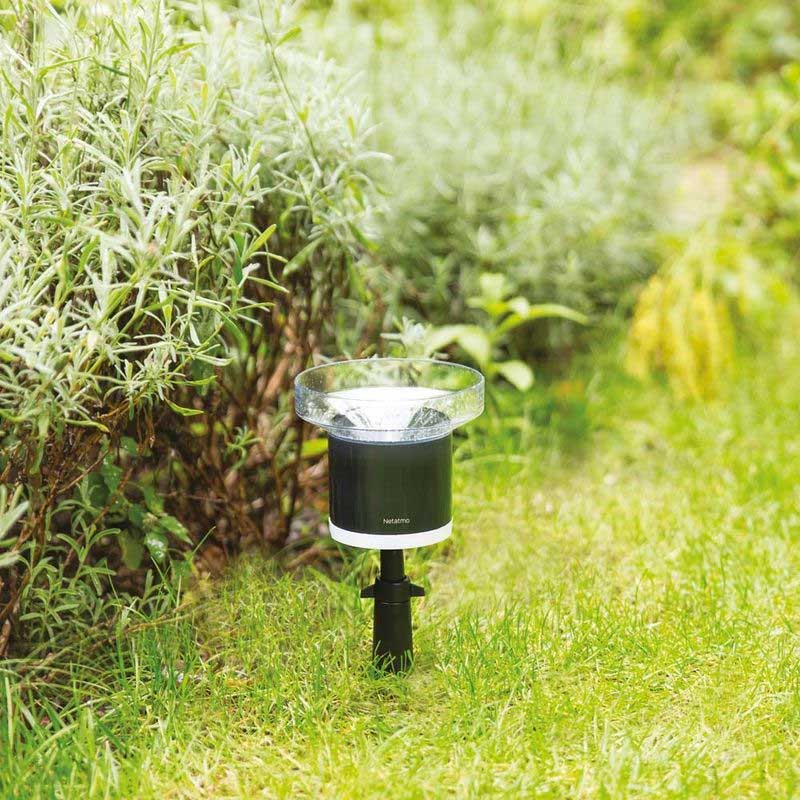
These are handy devices designed to provide accurate rainfall readings in the local area. Very useful for everyday activities such as hanging washing on the line or leaving windows/roof lights open. It’s also a great way to determine whether you should leave the home if you have plans to take a trip out that day.
Notifications can be provided via smartphone or tablet when it rains, with some apps including a seven-day forecast, past readings and charts for more accurate weather warnings. Not all smart rain gauges require emptying, either. So, you can monitor the weather without worrying about your device succumbing to the wet weather.
What is the best smart home technology?
Regarding the “best”, that’s down to what you value as important. Some questions to ask yourself are:
- Do you value energy efficiency?
- Is the safety of high importance?
- Are you looking for ways to make controlling home systems easier?
Once you’ve figured out what is important to you, you can begin your search for valuable smart home systems. We offer a range of smart home devices from trusted brands, ensuring you can make your home smart. This includes Honeywell Home , a key member of the industry that ensures you have the smart gadgets you need for a more efficient, safer and more secure home.
To conclude, there are various ways to make your home smart. Identify your needs, find what you need and get your home working to your ideal standard.
Looking for more ways to save on your energy bills? Check out our ten tips to save energy in your home. If you have any other questions or concerns, you can contact our friendly customer service team for advice on your purchase.