


Pipe insulation is a low-cost way to boost the energy efficiency of domestic, commercial and industrial HVAC systems. It’s also a good way to ensure the continual performance of water pipes.
The best part is that antifreeze pipe insulation will stop pipes from freezing in areas like warehouses, uninsulated loft spaces and basements, too.
Interested? Let’s learn more about how pipe insulation can prevent your pipes from freezing.
Table of contents
- The best pipe insulation to prevent freezing
- How to insulate outside water pipes from freezing
- To conclude
The best pipe insulation to prevent freezing
In domestic situations, it’s not uncommon for a water tank to be in a basement or an uninsulated loft. The water tank will be insulated, so the pipes should be too to maintain overall efficiency up and costs down.
It’s also prudent to use pipe insulation when pipes lead from an external rainwater harvesting or water storage tank to the indoors. If the water freezes, it could not only stop the use of the water but also cause damage to the pipes. For a small investment, you can prevent this.
For commercial and industrial applications, it’s wise to use pipe insulation on large pipework on the ceiling of warehouses or factory floors, for example, as this could shut down a business if the pipes freeze.
Additionally, being low-cost, pipe insulation can provide some noise dampening. So it prevents the sound of fluids travelling through pipes. Fire-rated pipe insulation stops pipes from melting, which can prevent further fire damage.
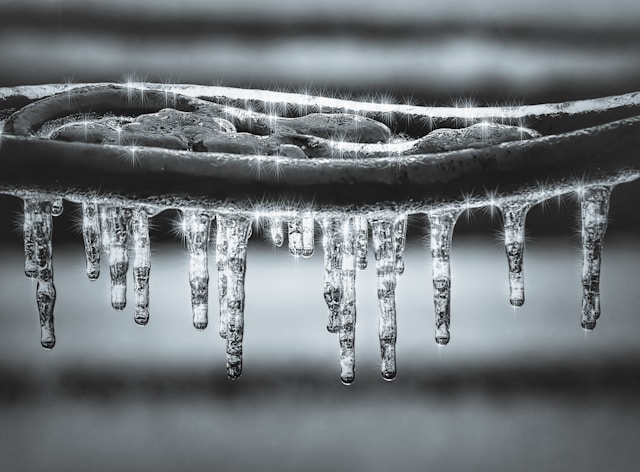
How to insulate outside water pipes from freezing
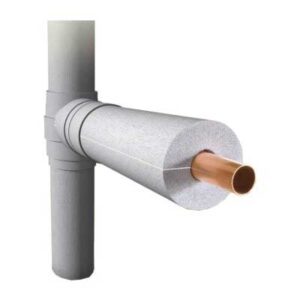
To insulate outside water pipes from freezing, follow these steps:
Step one: Select insulation
Choose insulation sleeves or foam tubes specifically designed for pipe insulation. Ensure they are the appropriate size for your pipes.
Step two: Clean pipes
Before applying insulation, clean the exterior of the pipes to remove any dirt or debris.
Step three: Cut insulation
Cut the insulation sleeves or foam tubes to the appropriate length for each section of the pipe.
Step four: Apply insulation
Slide the insulation sleeves or foam tubes onto the pipes, covering them completely. Pay special attention to any joints, bends, or valves, ensuring they are adequately covered.
Step five: Secure insulation
Use duct tape or zip ties to secure the insulation in place, especially in areas where the insulation might slip or move.
Step six: Seal openings
Seal any gaps or openings in the insulation with additional insulation or tape to prevent cold air from reaching the pipes.
Step seven: Monitor the weather
Keep an eye on weather forecasts, especially during periods of extreme cold, and take additional precautions such as allowing faucets to drip to prevent freezing.
Step eight: Apply heat tape (optional)
In frigid climates, consider using heat tape specifically designed for pipes. Follow the manufacturer’s instructions carefully for safe and effective installation.
To conclude
By insulating your outside water pipes and taking these precautions, you can help prevent freezing and potential damage to your plumbing system during cold weather.
Now that you know how to complete the task and what the best pipe insulation to prevent freezing is, you’re all set to take on this project.

Was this guide useful?
Mentioned in this product guide:


Armacell EVO Armaflex Self-Seal Pipe Insulation Full Boxes 2m Lengths - Thickness 13mm
from
£192.00 Incl. VAT