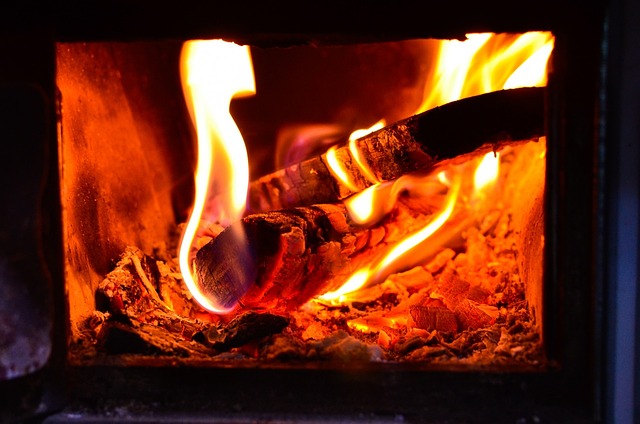


The importance of green energy and sustainable fuel is that both domestic and commercial heating and ventilation are becoming more prudent as climate change continues. Freak weather, unexpected conditions, and dwindling resources are prompting people to seek alternative energy sources.
Read our guide to biomass heating to learn more about this exciting renewable alternative.
Table of contents
- What is biomass heating?
- How does biomass heating work?
- Advantages and disadvantages of biomass heating
- To conclude
What is biomass heating?
Biomass is the term used to refer to biological materials that can be used as fuel. This can be any form of biological material. However, when discussing biomass heating, it is most commonly used to refer to the following:
- Wood chips
- Wood pellets
- Logs
- Grains
In addition to other fuels.
How does biomass heating work?
Biomass heating involves the burning of biomass to produce heat. This can be used to warm a single room or even a whole house or building.
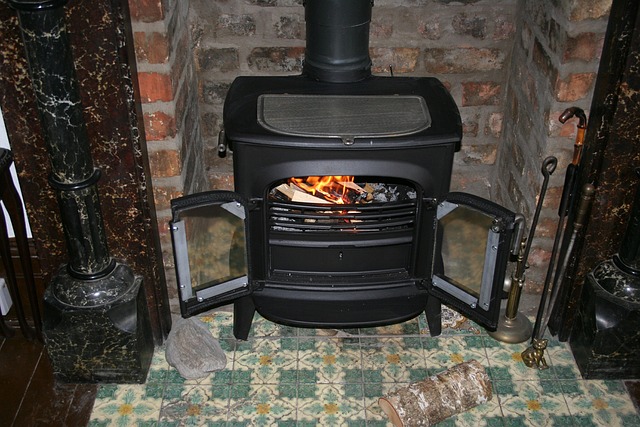
Biomass heating can be as simple as having a stove or wood burner within a room to heat the space. However, it can also be much more complex and wide-reaching. For instance, a biomass boiler can be used to heat water. It can even connect to the central heating system to heat the whole house.
As long as your home is well-insulated, biomass heating can greatly reduce your annual energy consumption and heating bills, warming your home in an alternative, renewable way.
Biomass boilers
Generally, biomass boilers receive their fuel automatically, which is similar to an oil boiler – the fuel is deposited into the storage by a delivery truck. The fuel is then passed into the boiler as needed. Here, the fuel is burnt at 600°C to release gases. These gases are then burnt to generate temperatures of over 1000°C.
This temperature is used to heat the water within the buffer tank (also known as a thermal store). This hot water is then transported through the central heating system to heat rooms and through to the hot water taps to provide hot water.
The fuel storage must be a large, dry and contained area that will not allow the ingress of any moisture, contaminants, animals or insects.

Advantages and disadvantages of biomass heating
Minimal pollutants
Part of the drive towards renewable energy is to:
- reduce carbon emissions
- help to slow down the effects of global warming
- contribute to a more environmentally friendly world
Using biomass boilers, particularly those that use wood as fuel, is a carbon-neutral form of heating. The carbon dioxide released when the wood is burnt is the same amount of carbon dioxide that the plant or tree has absorbed over the years.
 Although a small amount of carbon dioxide is released via the processing and transportation of wood, it is minimal in comparison to the burning of more traditional fossil fuels for heating purposes.
It is sometimes argued that gas also comes from the breakdown of vegetation, which has absorbed carbon dioxide over the years, making gas a carbon-neutral fuel. However, the formation of gas in this way takes thousands of years, and gas is being used far too quickly. This makes it unsustainable and not a renewable form of fuel.
Maintenance and installation

When opting for a biomass boiler, a lot more space is required than when using more traditional non-renewable heating sources. Not only are biomass boilers themselves larger than traditional boilers, but they also require more features and add-ons. From the fuel storage tank to the auto-feed feature and all the connections, a biomass-fuelled boiler system requires a large space.
Regarding maintenance, biomass boilers do require refuelling and emptying of ash, a by-product of the burning process. In comparison, gas boilers do not require any maintenance. Once they are installed, they can be virtually forgotten about.
Costs

At first glance, the initial cost of a biomass boiler, combined with the setup costs and the creation of a fuel storage tank, can be incredibly off-putting. However, the major benefit of biomass heating is that you save considerably on your annual heating bills. This means that the initial set-up costs will often be covered within the first few years of setting up your biomass heating system.
Biomass fuel is currently comparable to mains gas. It is predicted to become cheaper, meaning it is considered one of the cheapest heating fuels available. Additionally, if you live in an area where you have access to wood for free, the fuel costs nothing. This results in an even bigger saving!
Additionally, the government is offering various incentives to promote the adoption of biomass and other renewable energy sources as part of its Net Zero Initiative. The most prominent of these is the Boiler Upgrade Scheme (BUS), which will provide a grant of £5,000 for biomass boilers.
With the RHI, a 40kW biomass boiler that heats a 6-bedroom house will pay itself back in 3-4 years if using wooden pellets or logs. Alternatively, a large 100kW biomass boiler used to heat 6-7 buildings on a rural estate can save up to 80% in fuel costs (when chipping their own wood) and generate around £10,000 a year for up to two decades.
To conclude
Biomass heating is something worth considering when choosing heating systems and hot water systems in new builds, renovations and refurbishments alike.
Whether you are seeking a large complex system to heat a large building or a simple biomass stove to heat a single room, there are numerous benefits. You’ll not only save money but also reduce your environmental impact.